Bottle refusal support

Practical support for families dealing with bottle refusal and stressful feeding routines.

Bottle refusal can turn feeding into a daily source of stress fast. Infant Feeding Associates of North Texas provides thoughtful, family-centered support for infants and families struggling with bottle refusal, bottle aversion, difficult feeding transitions, and the confusion that comes when a baby is not feeding the way everyone expected.

Who this is for

This service is for families whose baby is refusing bottles, taking bottles inconsistently, feeding only under very specific conditions, or showing signs that bottle feeding has become difficult or stressful.

Some families reach out because they are trying to introduce a bottle and it is not going well. Others are dealing with a baby who previously took a bottle and now refuses it, or a child who is taking in less than expected and leaving caregivers unsure what to do next. Bottle refusal can have a lot of layers, and families often need help sorting through what's driving the problem.

  • Difficulty introducing a bottle
  • Sudden bottle refusal after previously feeding well
  • Stress, crying, arching, or resistance around bottle feeds
  • Questions about intake, feeding transitions, or what to try next
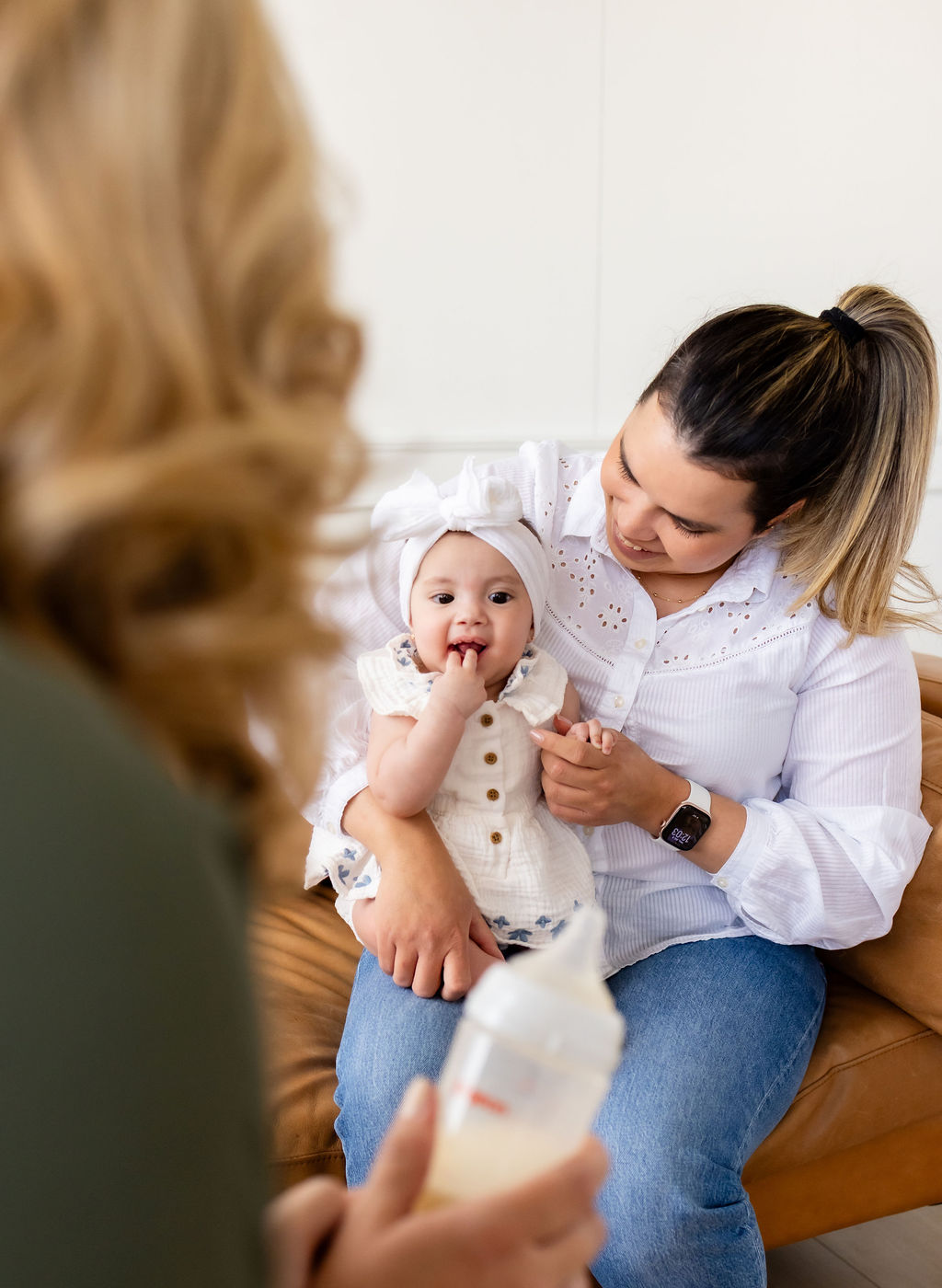
Bottle refusal support photo or service-specific graphic

What the visit includes

Visits may include caregiver interview, review of feeding history, discussion of bottle introduction or refusal patterns, clinical observation, and practical recommendations based on the child’s needs and the family’s goals. The focus is on understanding the full feeding picture, not just forcing one strategy.

What families can expect

Families can expect calm, therapist-led support that helps reduce guesswork. We look at what's happening, identify likely barriers, and help parents understand what may be contributing to the refusal so next steps feel clearer and more manageable.

How to get started

Reach out through the contact page and describe what you're seeing. You don't need to have the perfect explanation before contacting us. Start with what feels hard, and we can help you sort through the rest.

Why families seek this support

Because bottle refusal gets stressful fast.

For a lot of families, bottle refusal isn't just frustrating. It affects routines, caregiver confidence, return-to-work plans, daily logistics, and overall stress at home. Parents may feel like they are trying everything and getting nowhere, or they may start to dread every attempt because feeding has turned into a struggle instead of a routine.

Good support helps families step back, understand what may be happening, and take a more thoughtful approach. Bottle refusal is not something parents should have to white-knuckle on their own. Clear guidance can help reduce pressure, support better decision-making, and create a more workable path forward.

Our approach

Thoughtful feeding support without panic, pressure, or guesswork.

Bottle refusal usually has more going on than one simple fix. We look at the child, the caregiver, the routines, the feeding history, and the patterns surrounding refusal before making recommendations. The goal isn't to throw random tricks at the problem. It's to understand what's driving it and build a plan that makes sense.

We believe support should be practical and realistic. Families need recommendations they can actually use, not idealized advice that falls apart the second real life gets involved. When needed, care can also align with pediatricians, lactation support, and other providers involved in the child’s feeding journey.

  1. Listen to family concerns and feeding history
  2. Review bottle refusal patterns and possible contributing factors
  3. Provide clear, practical recommendations
  4. Support families as they carry those strategies into daily routines
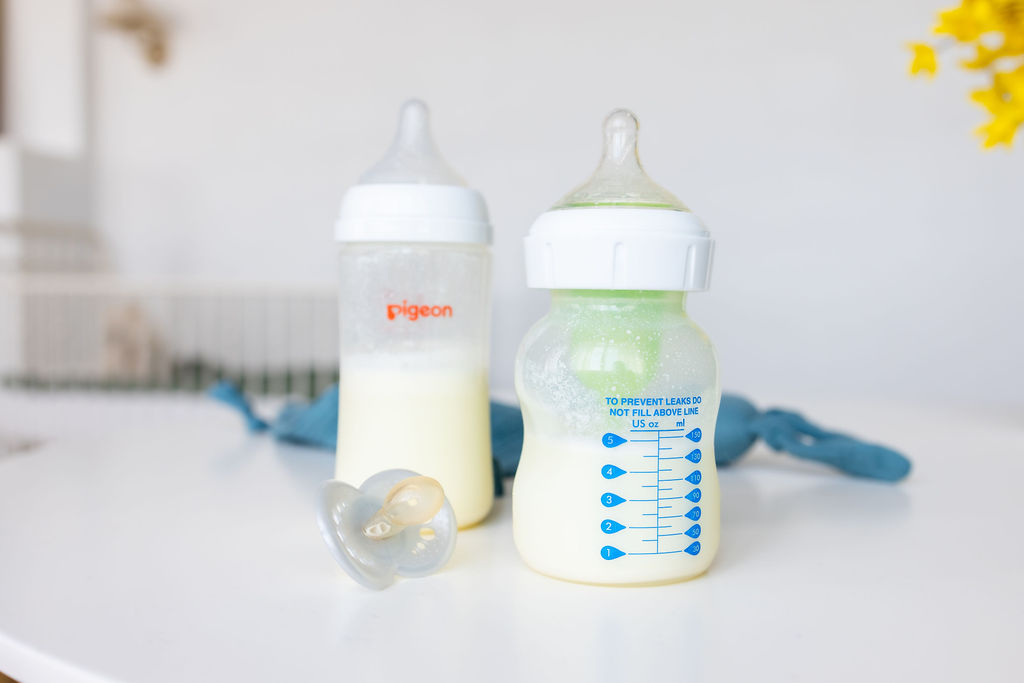
Bottle feeding visual, therapist image, or parent education graphic

Frequently asked questions

Common questions about bottle refusal

What if my baby has never taken a bottle well?

That's a common reason families seek support. Some babies have difficulty from the start, and early guidance can help families understand possible barriers and approach bottle introduction more intentionally.

What if my baby used to take a bottle and suddenly stopped?

That's also common. Sudden refusal can leave families confused and stressed fast. Looking at the full feeding picture can help identify patterns and next steps instead of relying on trial and error alone.

Does bottle refusal automatically mean something is seriously wrong?

Not necessarily — but it's worth paying attention to. When feeding becomes difficult, stressful, or inconsistent, families usually benefit from clear guidance rather than waiting and hoping it resolves on its own.

Can this help if we're trying to balance breastfeeding and bottles?

Yes. Many families are navigating both, and bottle refusal can complicate that quickly. Support can help families think through transitions, routines, and practical next steps.

Serving North Texas families

Bottle refusal support for families across Plano, Richardson, Frisco, McKinney, and surrounding communities.

Infant Feeding Associates of North Texas sees families dealing with bottle refusal across North Texas, including Plano, Richardson, Frisco, McKinney, and surrounding communities. Bottle refusal rarely stays contained to one feed. When bottles are a consistent struggle, the whole day gets rearranged around it. If that sounds familiar, reach out.