NICU graduate feeding support

Feeding support for NICU graduates and the families caring for them at home.

Leaving the NICU doesn't always mean feeding feels easy. Infant Feeding Associates of North Texas provides feeding evaluations, therapy, and parent support for families who need clear guidance after discharge. We help families understand what's going on, what to watch for, and what next steps make sense as their child grows.

Who this is for

This service is for infants and young children with a NICU history who continue to have feeding concerns after discharge, as well as families who want support as they transition from hospital-based care to home routines.

Some families reach out because feeds are taking too long, intake feels inconsistent, or feeding is more stressful than expected. Others want help with progression, coordination, endurance, oral feeding skills, or confidence carrying recommendations into daily life.

  • NICU graduates with ongoing feeding concerns after discharge
  • Difficulty with bottle feeding, intake, endurance, or feeding efficiency
  • Stressful feeding routines or uncertainty about what is normal
  • Families who want practical support as feeding needs change over time
NICU graduate family photo or service-specific graphic

What the visit includes

Visits for NICU graduates typically include a review of discharge history and the feeding journey since, clinical observation, and conversation about what home has actually looked like. Recommendations are framed around what is realistic for a family that has already been through a lot.

What families can expect

Families can expect a clinician who already understands the NICU context without needing a long explanation. The questions will feel relevant to where you actually are. The goal is a plan that fits your child’s history and your current capacity.

How to get started

Reach out and share a bit about your child’s NICU history and what feeding has looked like since discharge. That context helps us prepare and makes the first visit more useful from the start.

Why families seek this support

Because discharge is not the end of the feeding story.

Many families leave the NICU grateful to be home but still unsure about feeding. Questions can come up quickly once hospital structure falls away and real life takes over. A baby may be feeding, but feeds may feel long, inconsistent, stressful, or hard to interpret. Parents may be doing everything they can and still feel like something is off.

That's where focused outpatient support can help. We work with families to look closely at what's happening, understand where the barriers may be, and create a plan that supports both the child and the caregiver. Good care should not leave families guessing. It should make the next steps clearer.

Our approach

Clear support built for real home routines.

NICU graduates often need care that respects both the medical history and the reality of daily life after discharge. That means we don't just talk about feeding in theory. We help families understand what to do with the information once they're home, and how to tell the difference between what's worth watching and what actually needs attention.

When appropriate, care may also align with the child’s broader team, including pediatricians, lactation support, nutrition, and other providers involved in ongoing follow-up.

  1. Understand the feeding concerns and history clearly
  2. Evaluate current feeding patterns and caregiver questions
  3. Build a practical plan based on the child’s needs
  4. Support follow-through in everyday routines at home
Process graphic, NICU follow-up visual, or parent education image

Frequently asked questions

Common questions from NICU graduate families

Do we need support even if our baby is already feeding by mouth?

Sometimes, yes. A child may be taking feeds by mouth and still have concerns with intake, efficiency, coordination, endurance, progression, or caregiver stress. Families don't need to wait until things get worse to ask for help.

What if we're not sure whether the feeding concern is serious enough?

That's common. Many families reach out because they have a gut feeling that feeding is harder than it should be. An evaluation can help clarify what is happening and whether therapy or follow-up support is appropriate.

Do you only work with recent NICU discharges?

Not necessarily. Some families seek support soon after discharge, while others come in later when feeding progression, solids, routines, or ongoing stress become a bigger concern.

Serving North Texas families

NICU graduate feeding support for families across Plano, Richardson, Frisco, McKinney, and surrounding communities.

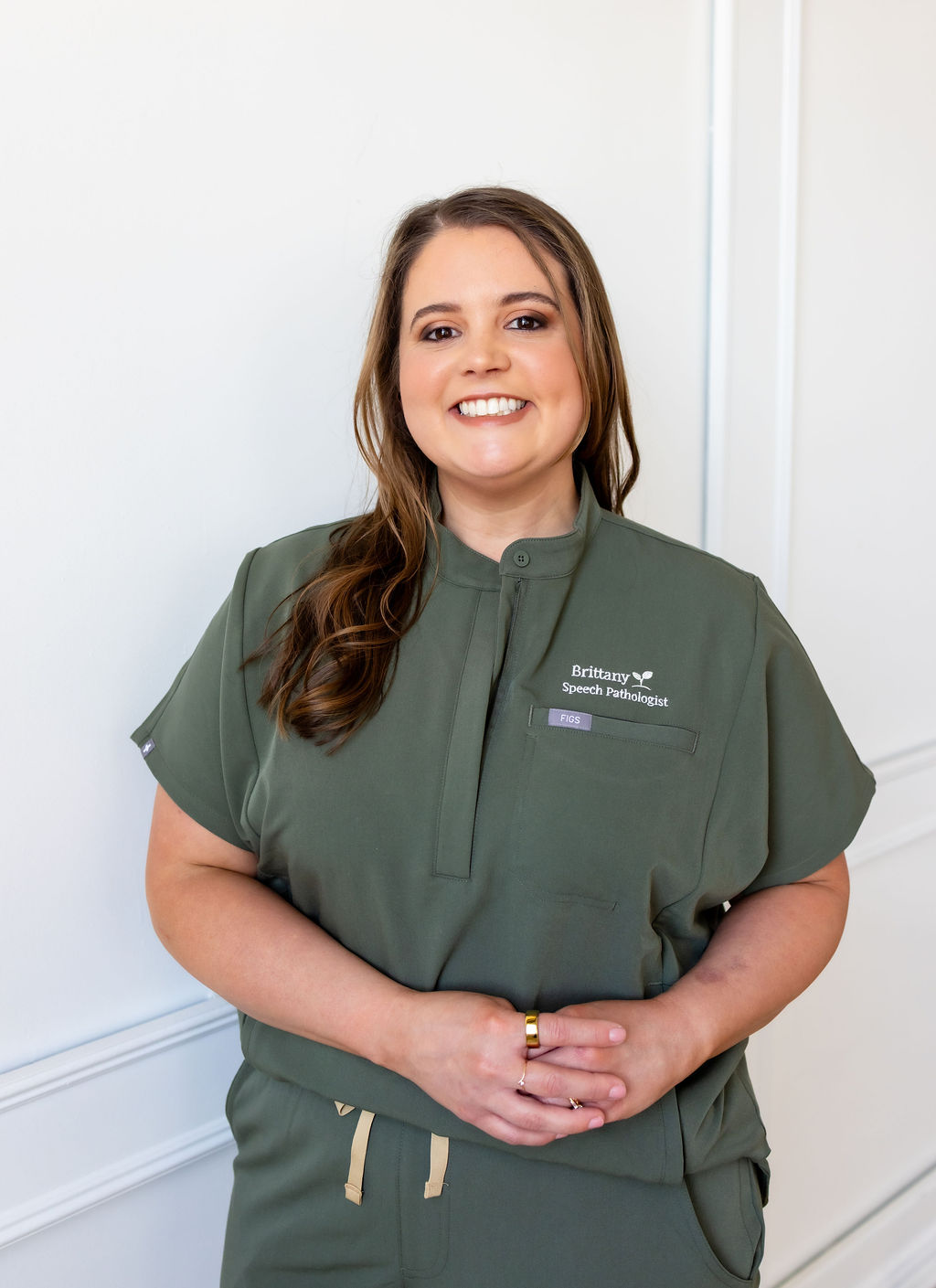
Infant Feeding Associates of North Texas provides post-discharge feeding support for NICU graduates across North Texas, with families reaching us from Plano, Richardson, Frisco, McKinney, and the surrounding area. Both clinicians hold the Certified Neonatal Therapist (CNT) credential, meaning this population is something they have trained specifically for. If your child is home from the NICU and feeding still feels uncertain, we're a good next call.